



Henri-Paul Francfort: Images and ideas of goddesses in ancient Middle East and Central Asia
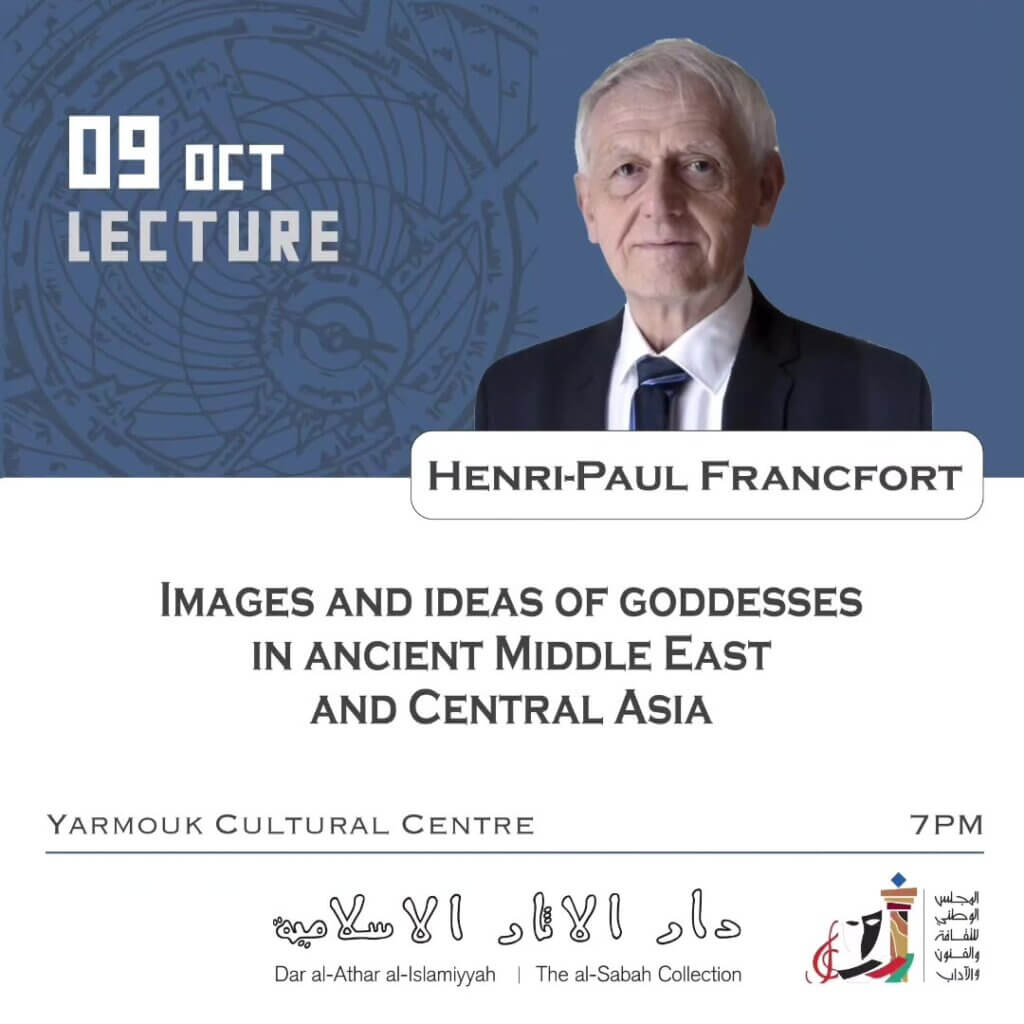
Henri-Paul Francfort
Archaeologist Henri-Paul Francfort specializes in Central Asia from Bronze Age to Antiquity. He is an Emeritus researcher
at the National Centre for Scientific Research (CNRS), where he was director of the team “Archaeology of Central Asia”
of CNRS (1984-2014) and of the “French Archaeological Mission in Central Asia” (1991- 2014). He participated to 60 field seasons in 50 years, in 10 countries, taught archaeology
of Central Asia in Paris universities (1986-2013), lectured in
20 countries, published 150 books and articles. He is also a member of numerous scientific committees and learned societies.
Images and ideas of goddesses in ancient Middle East and Central Asia
In Middle East, Central Asia and the Indus Valley, during the third millennium BCE, many images, figurines, and statues, represented females. Some are clearly identified as ancient divine beings. Another group seems to depict human ladies, apparently queens or princesses. In some cases, especially in Central Asia, it is not simple to determine if an image figures a queen, or a goddess.
The lecture will expose and discuss the questions and the criteria used to differentiate human and divine female images. The consequences of precise and correct identifications will be examined – first for the knowledge of the organization of the ancient societies and second for understanding the structure of ancient mythologies, especially the hierarchies and interactions between various kinds of beings: monsters, heroes, and goddesses.
https://www.youtube.com/watch?v=b_x6oXzskJQ
Mr Timothée Paris
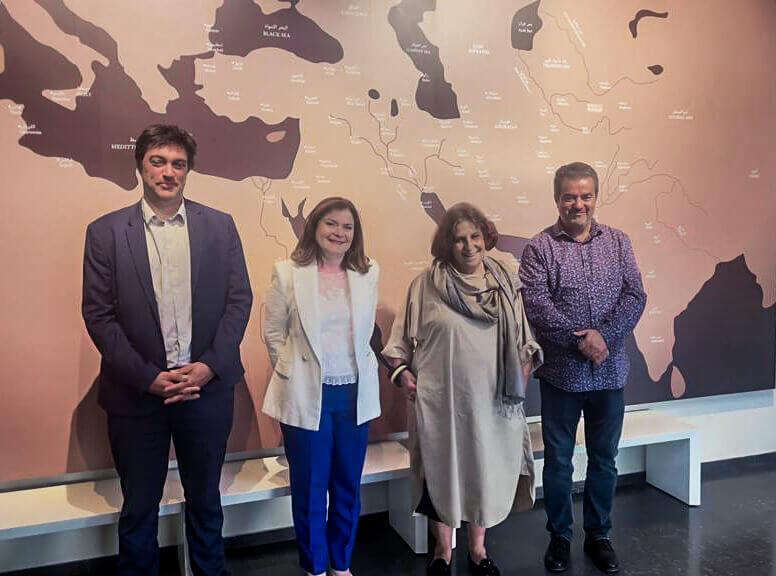
Mr Timothée Paris, member of the French Conseil d’Etat, the highest court of appeal for judicial review and adjudication, and Mr Amine Kouider, founder and conductor of the International Philharmonic Orchestra, Paris accompanied by Ms Chrystelle Schaeigis from the French Institute, Kuwait on a visit of The al-Sabah Collection exhibition “al-Fann: Art from the Islamic Civilization” with Salam Kaoukji, curator of the collection at ACC.
Bin Hussein Band “Singing Shores”
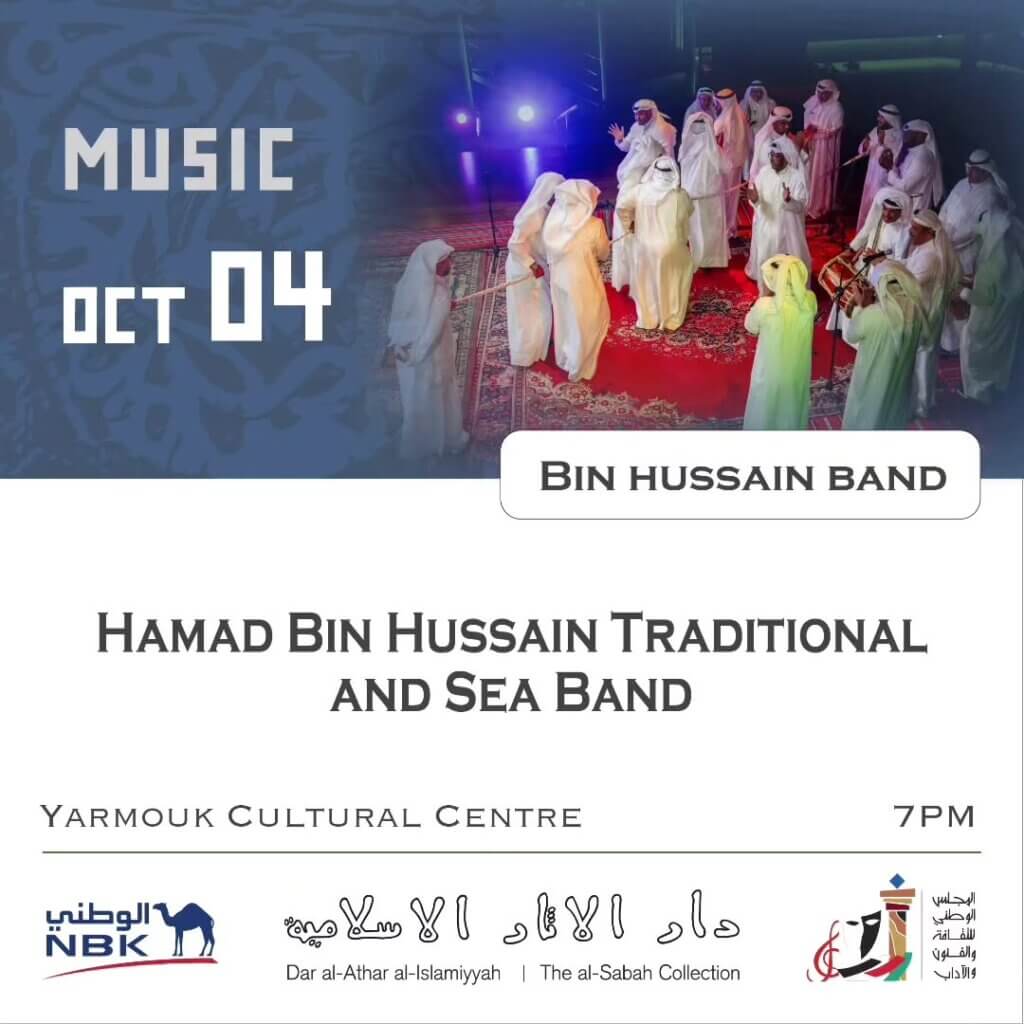
“Singing Shores” performed by Hamad Bin Hussain Band for Marine & Folk Music at the Yarmouk Cultural Centre
د. عبدالرحمن الفرحان: حداثة الصحراء
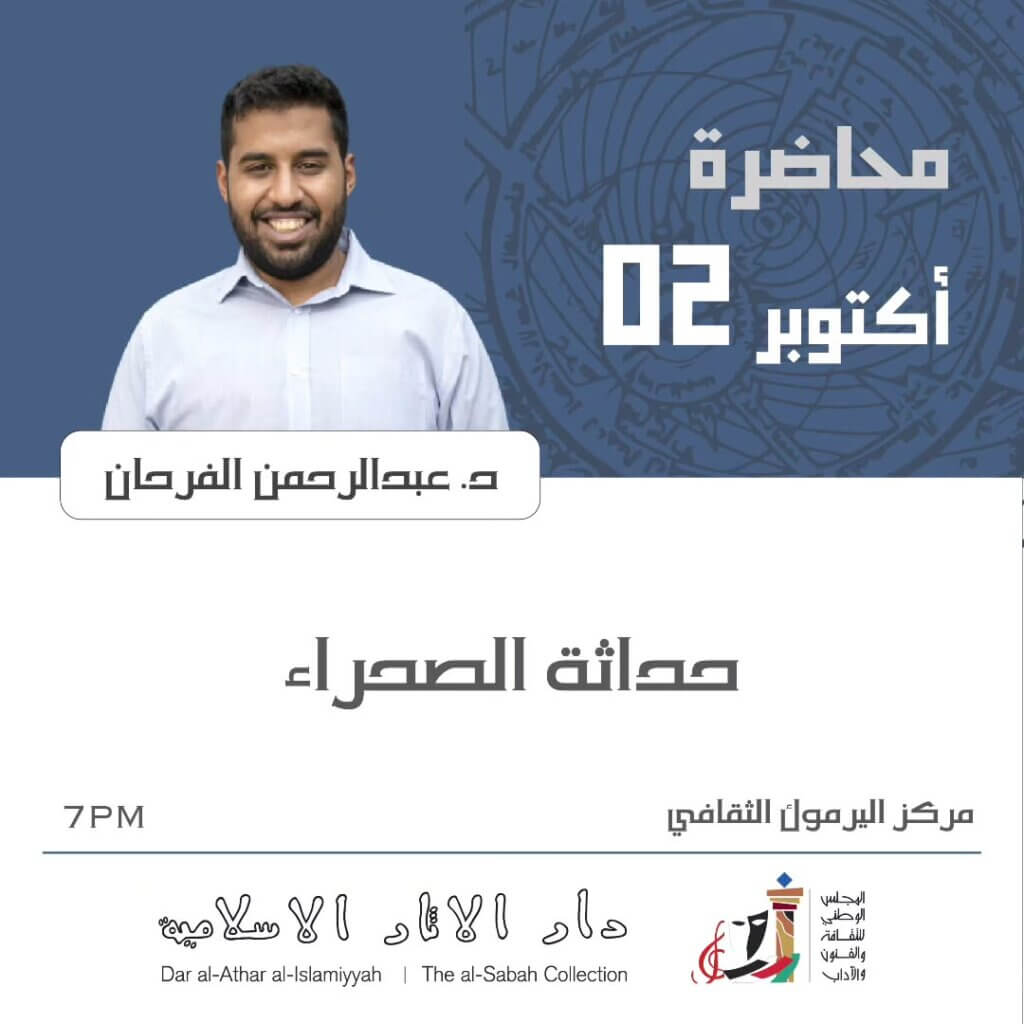
عبدالرحمن الفرحان
استاذ مساعد لدراسات الشرق الادنى والمتوسط ورئيس قسم اللغة العربية واللغات الأجنبية في الجامعة الأمريكية في الكويت. حاصل على الدكتوراه من كلية الدراسات الشرقية والافريقية، جامعة لندن. يشغل حاليا منصب العميد المشارك لكلية العلوم والآداب. تعنى اهتماماته البحثية بمجالات علاقة الأدب
العربي بالسياسة، والدراسات الثقافية
حداثة الصحراء
ُتعّدالصحراءرمًزاجمالًّيامتكّرَرالحضورفيالأدبالعربيالحديث.ولقْد تطـّورتمثيُلهافيالأعمالالســردّيةتطّوًرامسـتمًّراقاَدإلىنشـأةماُيسّمى بـُ”حداثةالصًحراء”.يتجــاوُزاستخداُمالصحراًء–فيُهـذاالمشـهِد المعاِصر–أداةسردّيةمنمجِّرداعتبارهامكاناتحدثفيهالقصص وتتكّشف،إلىاعتبارهامساحًةمشحونًةتبرُزمنخلالهاتوّتراتالتجربة
الإنسان ّية وتعقيداتها، لا س ّيما ما يتع ّلق منها بالمجتمع وال ّترا ِث والبيئة.
تسعىهذهالمحاضرةإلىتقديِمقراءٍةفيتطورمفهوم(حداثةالصحراء) ُمسّلطًةالضوءعلىكيفّيةمعالجِةاُلأدباءالخليجّيينمنجيِلالّشباب لفكرةالّصحراءفيأعمالهم.إذيحاولهؤلاءالانتقالإلىماوراءرْمَنَسة الصحراءفيالسردّياتالسائدة،وذلكعَْبرتقديُِممنظوٍرُجديٍدَيتحّدى النماذجالراسخةويعيُدتشكيلها.وهكذا،ستتناولالمحاضرةروايةالأديب الكويتّيعبداللهالبصّيص(طعمالذئب)أنموذًجاعلىهذهالرؤى
الجديدة في التعاطي مع الصحراء.
https://www.youtube.com/watch?v=9d2cZoJB9mU
Dr. Ziad Rajab: Annual Tareq Rajab Museum Lecture
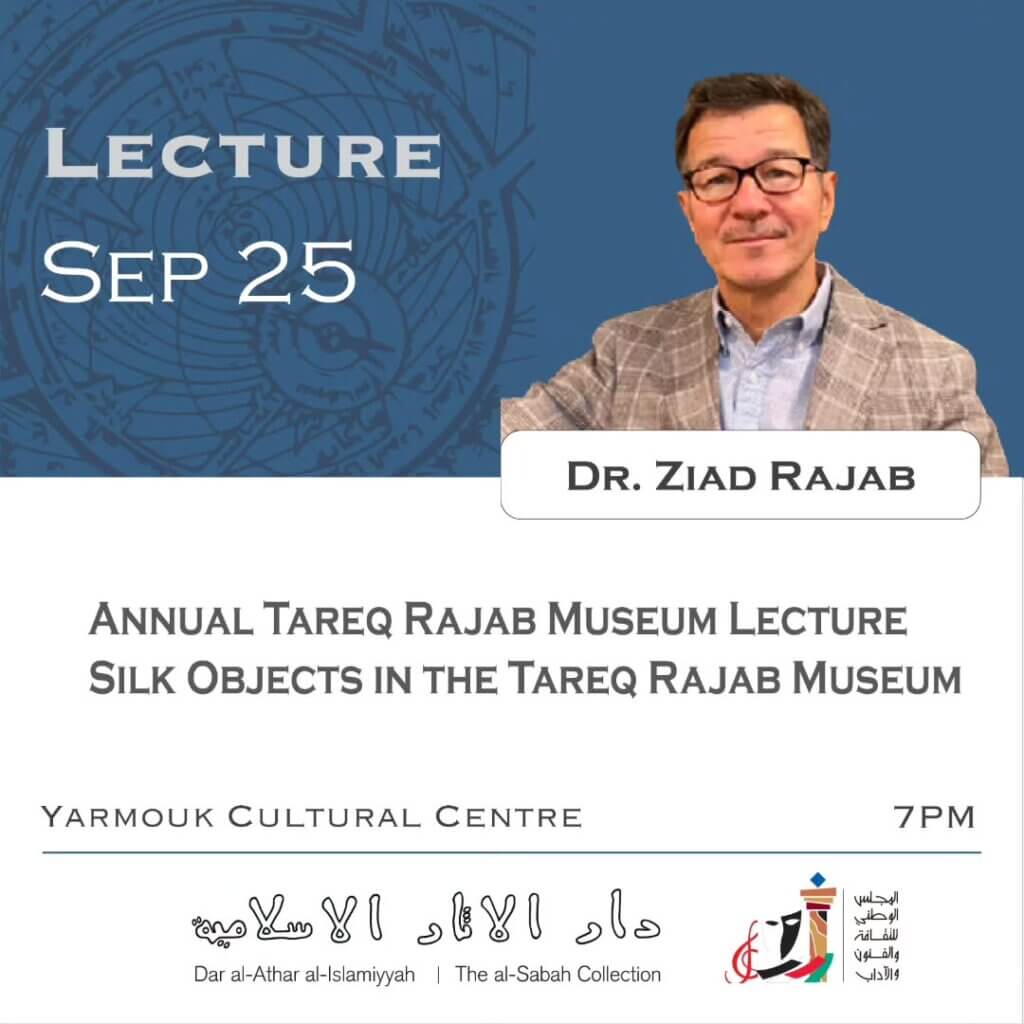
Ziad Rajab
Dr. Ziad Rajab is the director of the New English School and
a Tareq Rajab Museum board member. In addition to being a human resource specialist, he is involved in the arts, and has non-professional certificates in bookbinding, illumination, portraiture, oil painting and pottery. He is also an accomplished flautist.
Silk Objects in the Tareq Rajab Museum
China is the birthplace of silk production and for thousands of years remained the sole source of silk in the world. Its production was a closely guarded secret until the method finally “broke out” of China sometime in the early 6th century CE. Silk production then spread throughout the Middle East.
Baghdad, Damascus, Cairo, Malaga were among the leading centres of silk production during the Umayyad and Abbasid periods. It was the Arabs from Syria who exported this knowledge westwards as far as the Maghreb and Al Andalus in Spain.
The Tareq Rajab Museum possesses a large collection of costumes and textiles from across the Islamic world, many of which are silk produced in the region. Most date from the 18th and 19th centuries but a few precious textiles date even earlier. Some of these will be presented in this talk along with historical background.
https://www.youtube.com/watch?v=v3pCG5TPSyM